What Is AS/NZS 3760?
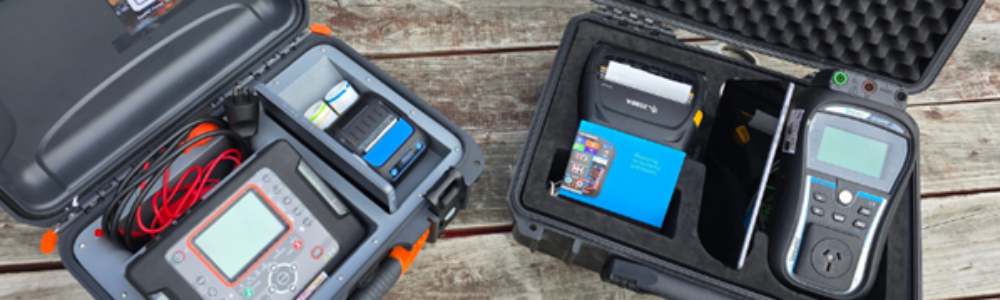
AS/NZS 3760 is the Australian and New Zealand Standard that provides guidance for the in-service safety inspection and testing of electrical equipment. It is widely used as the benchmark for Test and Tag practices in workplaces, helping organisations identify electrical hazards and reduce the risk of electric shock, injury, fire, and equipment failure.
The Standard provides guidance on areas including inspection and testing procedures, testing intervals, record keeping, and the management of electrical equipment used in the workplace.
This can include a wide range of portable electrical equipment and appliances, such as power tools, battery chargers, laptop chargers, extension leads and other plug-in equipment, including Residual Current Devices (RCDs). Regular inspection and testing can help identify damaged, faulty or deteriorated equipment before it presents a hazard.
Where unsafe electrical equipment causes an incident, questions may arise regarding the responsibilities of the employer, equipment owner, supplier, or person who introduced the equipment into the workplace, and depending on the circumstances, that individual could be liable. Hence an appropriate inspection and testing programme, supported by suitable records and workplace procedures, can ensure workplaces are electrically safe and compliant.

The Competent Person – who is it considered to be?
AS/NZS 3760:2022 (superseding the AS/NZ 3760: 2010) sets out the knowledge, skills and experience required for a person to be considered competent to carry out inspection and electrical safety testing. For reference, this can be found under section 1.4.5 of the standard.
A person can develop the necessary practical and theoretical knowledge through:
- Relevant training – such as a recognized Test and Tag course
- Practical experience gained on the job
- Relevant qualifications
- A combination of training, experience and qualifications
Importantly, you do not need to be a qualified electrical worker to be deemed competent. A person who has received appropriate training and developed the necessary knowledge and practical skills can become competent to perform the required inspection and testing.
This makes Test and Tag accessible to people who may have little or no previous electrical experience. With the right training and practical instruction, participants can develop the skills and knowledge needed to carry out testing safely and competently in accordance with the Standard.
Guidelines of what a competent person should know can be found in Appendix B of the standard AS/NZS 3760.
Test & Tag – who oversees it?
In New Zealand, workplace electrical safety is primarily governed by WorkSafe New Zealand and Energy Safety, which provide guidance and oversee the relevant health and safety and electrical safety requirements.
Note: Its important to distinguish between what is a standard and what is an electrical regulation. The AS/NZS 3760 is a standard, not a regulation.
AS/NZS 3760 is an important reference for the inspection and testing of electrical equipment, and keeping up to date with changes to the Standard helps ensure your testing practices remain appropriate and effective. However, it doesn’t override electrical regulations such as Electricity (Safety) Regulations 2010. The Electricity (Safety) Regulations 2010 cite the AS/NZS 3760: 2022 Standard.
Understanding the requirements surrounding electrical equipment, inspection and testing can sometimes be difficult, particularly where legislation, regulations and technical standards overlap. That’s why we’re here to help make the requirements easier to understand.
The Updated Test and Tag Standard
In 2022 the AS/NZS 3760 Committee updated the Standard and was officially Cited By the Electrical Regulations in late 2025. This has meant several key changes which may have affect on your industry. Some changes are minor, like a change in wording or updated example illustrations or tables, to some bigger changes like adding ‘third-party’ providers to the Standard.
Want to know more, contact our friendly team today and we will be happy to guide you through the changes.
Safe testing, everyone!